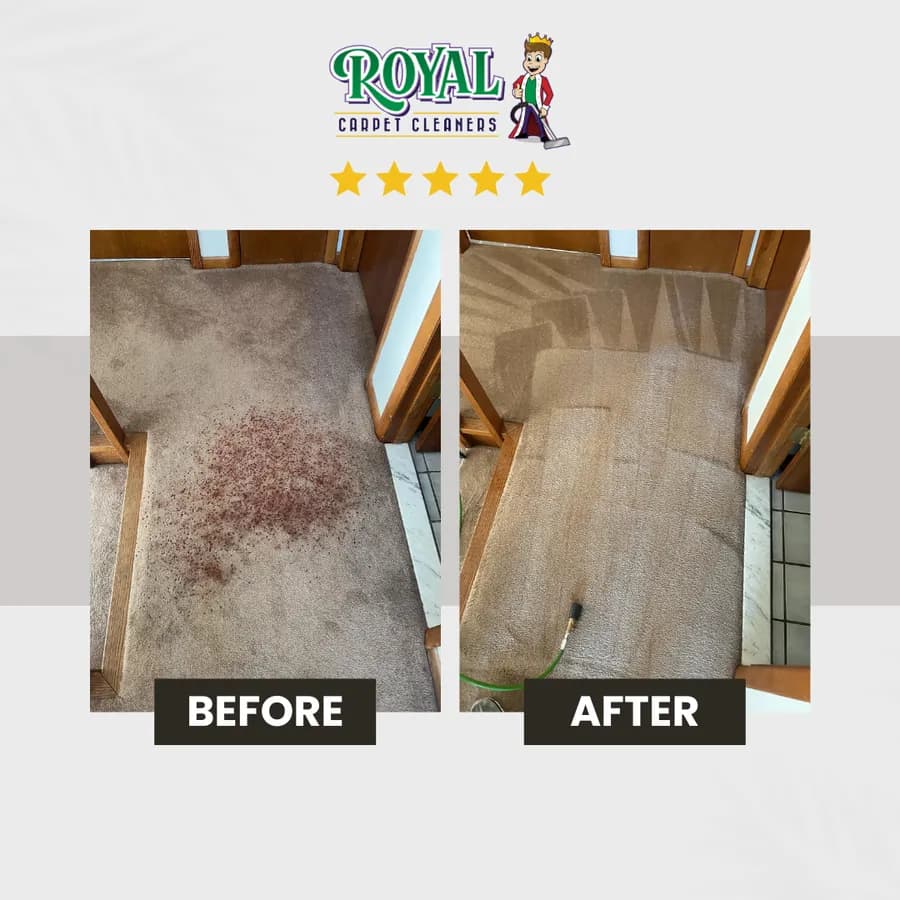
Red wine is one of the more fixable carpet spills if you act in the first few minutes, and one of the easiest to ruin if you rub or reach for hot water. Blot the spill with a dry white cloth, rinse with cool water, and then use a mild dish-soap solution. Work gently, in that order, and don't flood the carpet.
Why red wine is so stubborn
Red wine is a mix of pigments, tannins, sugar, and acid. The pigments dissolve in water, which is why a fresh spill often lifts with a little help. Tannins are a different story. They're polyphenols that bind readily to fibers, especially wool and silk, and they keep bonding as the liquid dries. That bond is what leaves the familiar pink or brown ring that outlasts the spill itself.
The sugar matters too. Once it dries, it leaves a slightly sticky residue that attracts dirt, so a spot can look darker a few days later even when the color seems gone. It's closely related to the problem of stains that come back after cleaning, and it's why rinsing matters as much as the stain-lifting step. Tannin stains behave in a similar way on coffee and tea, so the same habits apply.
The first-hour routine
Follow these steps in order. Each one sets up the next.
- Blot, don't rub. Press a clean white cloth or a stack of paper towels onto the spill, hold for a few seconds, and lift. Move to a clean section of the cloth as it picks up color. Rubbing spreads the pigment and frays the fiber tips.
- Dilute with cool water. Dampen a clean cloth with cool water and blot the spot again. You're trying to dilute the wine and draw it up, so keep the cloth damp, not dripping.
- Apply a mild dish-soap solution. Mix about ¼ teaspoon of clear dish soap into a cup of lukewarm water. Dab a small amount onto the spot with a clean cloth and let it sit for about five minutes. More soap doesn't work better. It just leaves more residue behind.
- Blot out the soap. Press with a dry towel and work from the outside edge toward the center.
- Rinse thoroughly. Blot with plain cool water until the towel stops picking up soap. Leftover soap attracts dirt and can leave a dull ring as the carpet dries.
- Dry it fast. Set a stack of dry white towels over the spot, weigh it down with a flat book or a bowl, and swap the towels as they soak through. A fan pointed at the area or an open window speeds drying.
Once the spot is dry, check it in daylight. A faint shadow after one pass is common, so repeat steps two through six once more before you decide it won't come out.
Peroxide: useful, but only after a test
If a faint tint remains on a light-colored synthetic carpet after one or two rounds, 3% hydrogen peroxide can help lift the tannin color. Dab a few drops on a hidden spot first, wait a few minutes, and check for any change in the carpet's color. Peroxide can lighten dyes, and it can damage wool and silk, so skip it on those fibers unless a technician advises otherwise. Never mix peroxide with vinegar, bleach, or any other cleaner.
What not to do
- Don't use hot water. Heat helps tannins and pigments bond to fibers, and that's how a stain becomes permanent.
- Don't scrub with a brush. Stiff bristles push the pigment down into the carpet and roughen the pile in that spot.
- Don't flood the area. Too much liquid carries the wine through to the pad and backing, where it's far harder to reach.
- Don't reach for bleach. It can strip color from carpet and rugs, and it should never be mixed with ammonia, vinegar, or any other acid.
- Don't wait until bedtime. Dried wine is harder to lift, and every hour it sits, the bond gets stronger.
When the stain has already dried
Dried wine is still treatable, but it takes patience. Rewet the spot with cool water, let it sit for a few minutes, and repeat the dish-soap steps, rinsing after each round. For a stubborn ring on a synthetic carpet, a small amount of rubbing alcohol on a clean white cloth can help break down the tannin bond. Rubbing alcohol is a solvent, so keep the room ventilated, and test it on a hidden spot first.
Stop if the dye starts transferring to your cloth in a new color. That means the color is moving rather than lifting, and continuing usually makes the patch bigger.
Tools that make the job easier
You don't need a kit for this, but a few basics make a real difference:
- White cloths or white towels. Colored towels can release dye onto the carpet and create a second stain. Keep one set of white cloths for stains only.
- A spray bottle of cool water. A fine mist dampens the spot evenly. Pouring from a glass tends to flood the carpet, and that's how wine reaches the pad.
- A dull plastic scraper or spoon. Useful for lifting solids or dried crust without tearing the fibers.
- Plain clear dish soap. Choose a basic formula. Scented or moisturizing soaps can leave a film that attracts dirt.
- A kitchen timer. The soap solution needs about five minutes, and leaving it much longer can leave residue that's harder to rinse.
Water temperature matters too. Lukewarm means warm to the touch, not hot from the tap. If you're unsure, run the tap and test the water on the inside of your wrist before you mix the solution.
When to call a professional
Call in a professional if the spill was large, soaked through to the pad, or sat for a day or more. Wool carpets and rugs, silk, and any dyed fabric should also be assessed by someone trained to read the fiber before you try anything strong. A good technician will test a hidden area, choose a pre-treatment that suits the fiber, and avoid soaking the backing.
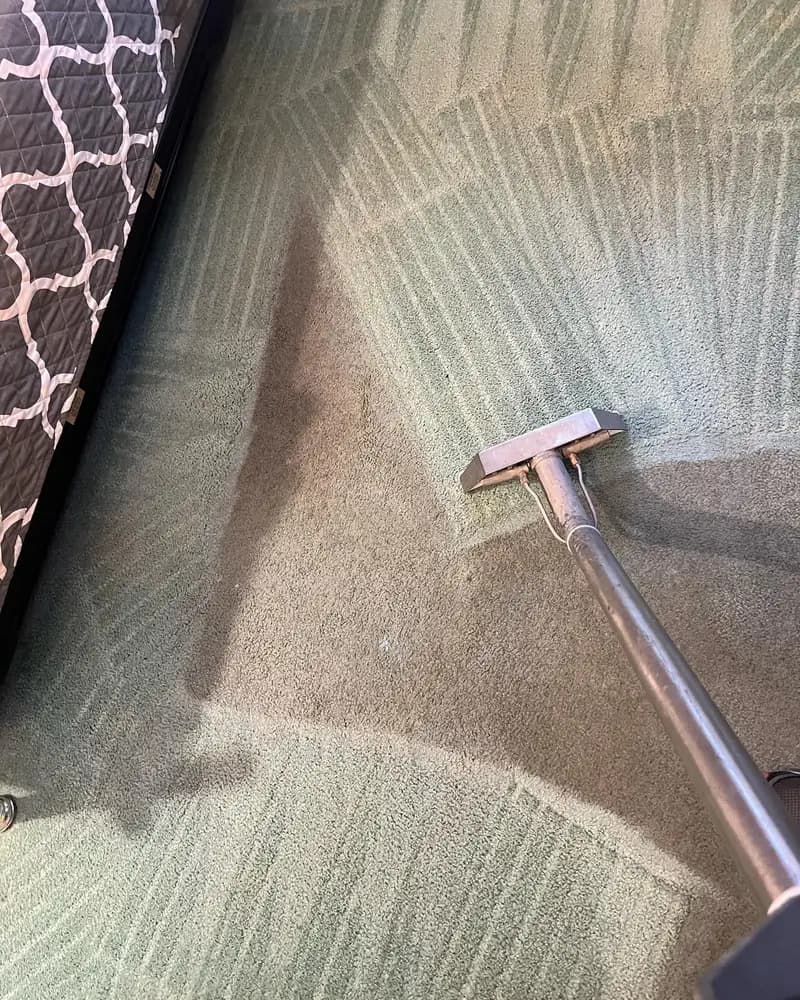
At Royal Carpet Cleaners, a technician pre-vacuums, pre-treats each spot, and then extracts with hot water using truck-mounted equipment. That combination removes residue a towel can't reach. Royal is an IICRC Certified Firm, so you can book professional carpet cleaning online at https://book.royalservicesmd.com or call (410) 569-2877.
Frequently asked questions
Does club soda work on red wine?
Club soda is mostly water with some dissolved minerals, so it does about what plain cool water does. It can help dilute a fresh spill, but the dish-soap solution does a better job of lifting the pigment.
Can salt help soak up a fresh red wine spill?
Salt can pull a little liquid out of a fresh spill, but it won't lift the color, and the grains can grind into the fibers when someone walks over them. Dry white towels are a cleaner way to absorb the wine.
Is red wine on a wool rug handled differently?
Yes. Wool is sensitive to strong alkaline cleaners, heat, and peroxide, so test a hidden spot and consider a professional for the fiber. Some rug dyes also bleed when wet, which makes aggressive blotting a bad idea.

Written by
The Royal Carpet Cleaners Team
Royal Carpet Cleaners is a family-owned, IICRC-certified company based in Bel Air, Maryland. Our technicians clean carpet, rugs, upholstery, tile, and hardwood across Harford, Baltimore, Howard, and Cecil counties.