The everyday dog smell in a carpet or rug usually comes from oils and organic debris rather than urine. Skin oils, saliva, dander, and the dirt and moisture a dog carries in on its coat and paws settle into the fibers, feed bacteria, and stay there. That's why a room can smell like a dog even when there have been no accidents. Clearing it takes regular removal of the debris, washing the dog's bedding, and a deep clean that takes out the oily film instead of covering it.
What's actually causing the smell
A dog's coat produces natural skin oils, and those oils carry the characteristic dog smell. Dander, the small flakes of dead skin, falls off constantly and works its way down into carpet and rug fibers. Saliva adds more organic material, especially where a dog rests its head or chews. When a dog comes in from a walk in wet weather, the damp coat and paws bring moisture and outdoor debris with them.
All of that material sticks to fibers. It holds moisture, it attracts dirt, and it gives bacteria something to eat. Some of it also works down into the backing, and residue that wicks back up can keep the smell returning after a surface clean. Carpet wicking explains how that happens. The result is a smell that builds up slowly and is hardest to notice in the room where it's strongest. Wool can hold odor especially well, but synthetic carpet picks up the oily film too, so neither is immune.
Start with the vacuum
Vacuuming removes the loose dander and hair before it gets ground into the fibers, and that matters more than most people expect. A few habits make a difference:
- Make slow passes. Go over each section two or three times, in two directions if it's carpet. Fast passes skim the top and leave dander behind.
- Use a vacuum with a true HEPA filter. A sealed HEPA filter keeps fine particles from blowing back out of the vacuum into the room, which matters more with a dog in the house.
- Use the upholstery tool on the bed. Dog beds, cushions, and the couch collect the most dander, and a carpet head doesn't reach them well.
- Empty or change the bag or canister regularly. A full canister loses suction, and suction is what pulls the debris out of the fibers.
Wash the things they sleep on
A dog bed often holds more odor than the carpet beside it. Wash bedding, blankets, and removable covers on a regular schedule, and dry them completely before putting them back, because a damp bed brings the moisture problem back.
Use the warmest water the care label allows for general odor. If the bedding has a urine stain, though, rinse that section in cool water first, because heat sets protein stains. Then wash the rest of the bedding as usual. If the bed itself is worn or the foam is breaking down, replacing it may do more than any cleaning.
Grooming and paw habits
Most of the oil and dander that ends up in carpet starts on the dog. Brush outdoors or on a washable surface, which removes loose coat and dander before it reaches the house. Wipe the paws and belly after walks in wet or muddy weather, since that's where a lot of the moisture and outdoor debris comes from. Bathe on a schedule your vet or groomer recommends, because bathing too often or with the wrong shampoo can irritate the skin.
The entryway and wet paws
A washable mat just inside the door catches grit and moisture from wet paws before they reach the carpet. Choose one with a rubber backing or a machine-washable top, and wash it on the same schedule as the bedding. After a bath or a trip out in the rain, dry the coat thoroughly with a towel. A damp coat holds the smell and gives bacteria a comfortable place to grow, and a pet dryer on a low, cool setting helps with thick coats.
Masking versus removing
A deodorizer covers the odor for a short time. Removing the source takes more work, and the table below shows how the common approaches compare.
| Method | What it does | Where it falls short |
|---|---|---|
| Air freshener or fragrance spray | Covers the smell for a short time | Doesn't touch the oils or dander in the fibers |
| Baking soda left for several hours, then vacuumed | Absorbs some surface odor | Doesn't reach the oily film deeper down |
| Enzyme or odor-targeted cleaner | Digests the organic residue | Needs full dwell time and a dry-out |
| Professional hot water extraction | Removes oils, dander, and dirt from deep in the carpet | Doesn't stop the buildup if the routine stays the same |
| DIY peroxide or bleach | Lightens or strips stains | Can change or bleach dyes, and is risky on wool and silk |
When a deep clean is worth it
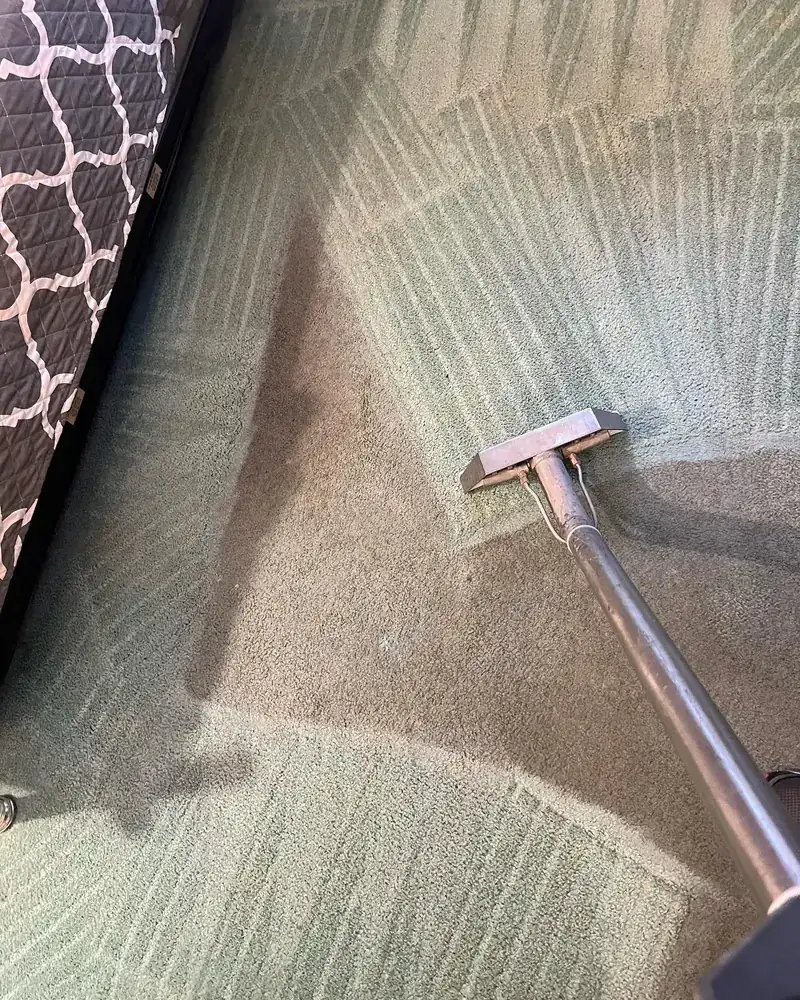
A professional deep clean takes out the oily film and embedded debris that vacuuming misses. Royal Carpet Cleaners pre-vacuums, pre-treats, agitates, extracts with hot water, then deodorizes the carpet and finishes with a post groom. Many people notice a fresher room right after the visit, and the result lasts longer if you keep up with the vacuuming, the bedding, and the grooming. A deep clean on its own won't stop future dog odor if the routine stays the same.
If anyone in the house has allergies or asthma, regular cleaning removes dander and pollen from fibers, but follow your doctor's advice for managing symptoms. For carpet and rug care, see our carpet cleaning service. If you're trying to understand what causes buildup in the first place, why carpet gets dirty faster after cleaning explains the residue side of the problem.
Frequently asked questions
Why does my rug smell like a dog even when the dog has never had an accident on it?
Dogs shed oils and dander onto rugs every day, and those deposits hold moisture and bacteria. Wool can hold odor especially well, so the smell builds up even without any accidents.
Should I use a baking soda sprinkle on dog-smelling carpet?
It can help a little with surface odor. Sprinkle it on dry carpet, leave it for several hours, and vacuum it up. It won't reach oils or residue deep in the pad, so it's a supplement, not a fix.
Does regular carpet cleaning help with dog smell or only with stains?
It helps with both, because a deep clean removes the oily film and embedded debris that a vacuum leaves behind. The benefit fades faster if the grooming and bedding routine stays the same.

Written by · IICRC Certified Firm
Field Systems & Senior Technician, Royal Carpet Cleaners
Peter Kafkakis leads field cleaning systems and technical service at Royal Carpet Cleaners in Bel Air, Maryland. He works directly in Maryland homes every week handling hot water extraction, enzyme pet odor treatment, upholstery cleaning codes, and high-pressure tile and grout restoration.